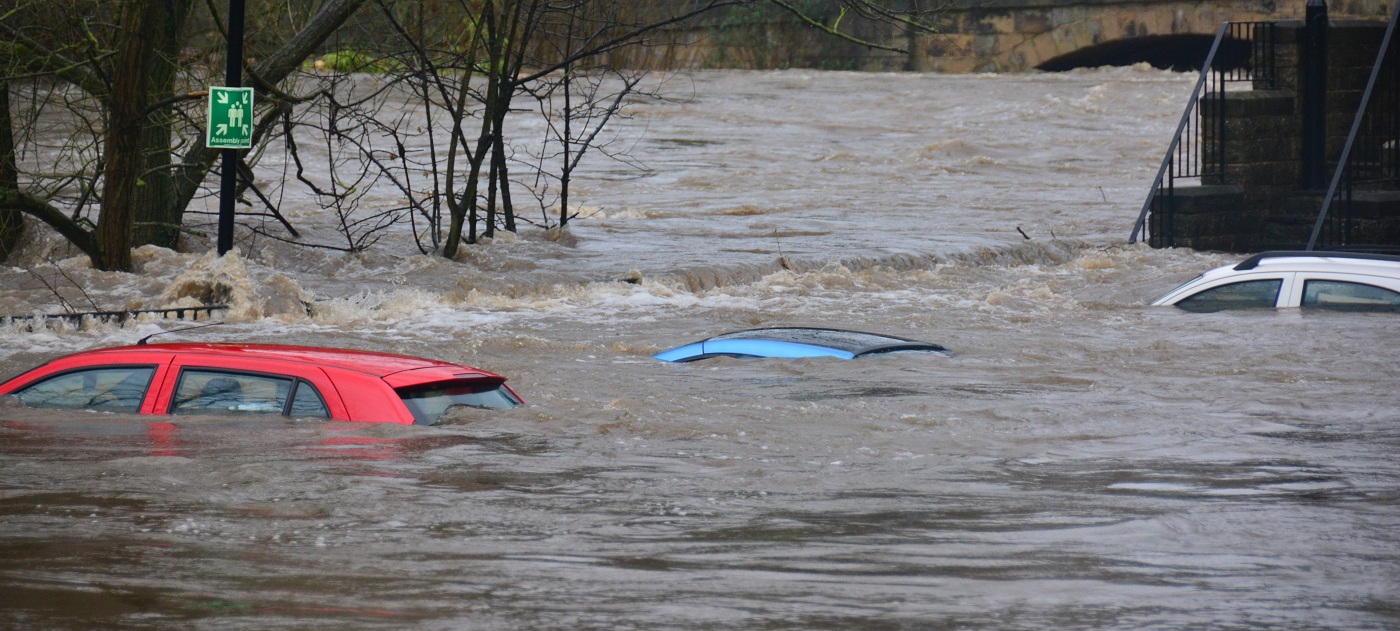
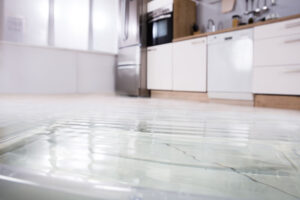
A kitchen flood can be a homeowner’s worst nightmare. It can cause significant damage to your property, ruin your appliances, and create an unhygienic environment. Knowing what steps to take immediately can minimize the damage and ensure the safety of your home. In this blog post, we will discuss what to do when the kitchen is flooding, from identifying the source to taking immediate action and calling for professional help. We will also discuss how a trusted plumber in Carlsbad or the best plumber near you can assist in such emergencies.
1. Identify the Source of the Flood
The first step when you notice your kitchen is flooding is to identify the source of the water. Common causes include:
- Burst Pipes: A sudden increase in water pressure or aging pipes can lead to bursts.
- Leaking Faucets: Over time, faucets can develop leaks that escalate into significant water damage.
- Faulty Appliances: Dishwashers, refrigerators with water dispensers, and other kitchen appliances can malfunction and cause floods.
- Clogged Drains: Blocked drains can cause water to back up and overflow.
Once you have identified the source, you can take the appropriate steps to stop the water flow.
2. Shut Off the Water Supply
To prevent further flooding, you need to shut off the water supply. Locate the main water valve in your home and turn it off. If the flood is due to a specific appliance, such as a dishwasher, turn off the valve that supplies water to that particular appliance. This immediate action can significantly reduce the amount of water damage.
3. Turn Off Electrical Power
Water and electricity are a dangerous combination. If water is coming into contact with electrical outlets, appliances, or cords, turn off the power supply to your kitchen at the circuit breaker. This step is crucial for preventing electrical shocks or fires.
4. Remove Excess Water
Once the water supply and electricity are turned off, you need to start removing excess water to minimize damage. Use mops, towels, and buckets to soak up and collect standing water. For larger floods, a wet/dry vacuum can be highly effective. Removing water quickly can help prevent mold growth and further damage to your flooring and cabinets.
5. Dry the Affected Area
After removing standing water, you need to dry the affected area thoroughly. Open windows and doors to allow fresh air to circulate. Use fans and dehumidifiers to speed up the drying process. This step is essential to prevent mold and mildew from developing, which can cause health issues and further damage to your home.
6. Inspect for Damage
Once the area is dry, inspect your kitchen for damage. Check the flooring, cabinets, walls, and appliances for signs of water damage. Look for warping, discoloration, and any other visible damage. This assessment will help you determine the extent of the repairs needed.
7. Call a Professional Plumber
While some minor floods can be managed independently, significant flooding requires the expertise of a professional. A trusted plumber in Carlsbad can assess the situation, identify the root cause, and provide the necessary repairs. They have the tools and experience to handle burst pipes, faulty appliances, and other plumbing issues that lead to flooding.
When to Call an Emergency Plumber:
- If you cannot identify the source of the flood.
- If you are unable to shut off the water supply.
- If there is extensive water damage.
- If electrical appliances are involved.
- If you suspect structural damage.
In such cases, searching for the best plumber near you or an emergency plumber in Carlsbad can ensure that the problem is resolved quickly and effectively.
8. Prevent Future Floods
After dealing with the immediate flood, take steps to prevent future incidents. Regular maintenance and inspections can help identify potential issues before they become major problems. Here are some tips:
- Inspect Pipes and Faucets: Regularly check for leaks and signs of wear.
- Maintain Appliances: Ensure that dishwashers, refrigerators, and other kitchen appliances are in good working order.
- Clear Drains: Keep your drains clear of debris to prevent clogs and backups.
- Install Water Alarms: Water alarms can alert you to leaks and floods early, allowing you to take action before significant damage occurs.
Conclusion
A kitchen flood can be a stressful and damaging event, but knowing what steps to take can make a significant difference. By identifying the source, shutting off the water supply, and taking immediate action to remove water and dry the area, you can minimize damage. Always remember to call a professional plumber in Carlsbad or the best plumber near you for significant issues to ensure a thorough and effective repair. Preventative measures can also help protect your home from future floods, providing peace of mind and safeguarding your property.