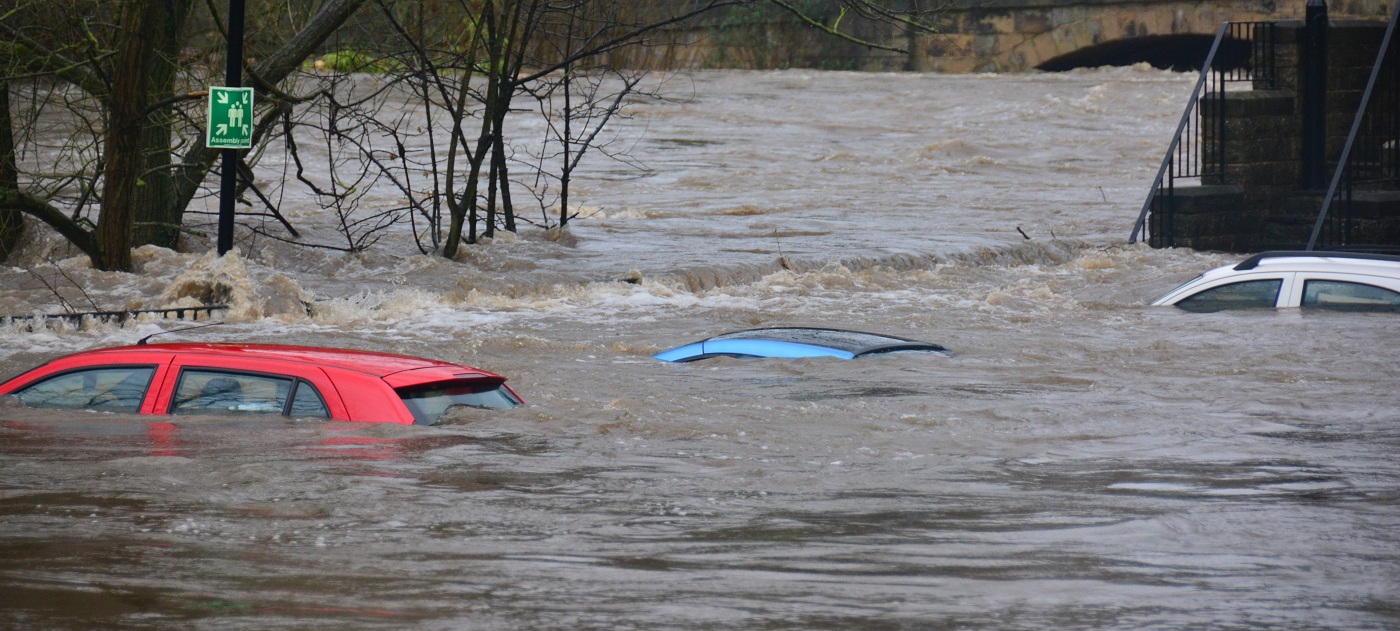
A flooded living room is one of the most stressful situations a homeowner can face. Whether it’s caused by a burst pipe, an overflowing sink, or a severe storm, standing water in your living space can cause significant damage to your property and create a breeding ground for mold and mildew. Quick action is essential to minimize damage and restore your home to its original condition. In this blog post, we’ll walk you through the steps you should take to get water out of your living room and when to call in professionals like a Carlsbad plumber or the best plumber near you for help.
1. Safety First
Before you begin any water removal, ensure that it’s safe to enter the affected area. If the water level is high enough to reach electrical outlets or appliances, there’s a risk of electrical shock. In such cases, turn off the electricity to the affected area by flipping the circuit breaker. If you’re unsure how to do this safely or if there’s any concern about electrical hazards, it’s best to contact an emergency plumber in Carlsbad or the best plumber near you for assistance.
2. Stop the Water Source
The next crucial step is to stop the source of the water. If a burst pipe or plumbing issue is causing the flood, locate the main water shut-off valve and turn it off immediately. This valve is usually located near where the water main enters your home. If the flooding is due to a storm or external source, you may not be able to stop the water, but you can begin efforts to block more water from entering the home using sandbags or barriers.
3. Remove Standing Water
Once the water source is stopped, it’s time to remove the standing water from your living room. The method you use will depend on the amount of water present.
- For Small Amounts of Water: Use towels, mops, and buckets to soak up and remove the water. This method works well if the water is only a few inches deep. Be sure to wring out towels and mops into a bucket or drain and continue until most of the water is removed.
- For Larger Amounts of Water: If the water is several inches deep, you may need to use a wet/dry vacuum to remove it. These vacuums are designed to handle water and can efficiently suck up larger volumes of liquid. You can rent one from a hardware store if you don’t own one. If the water level is exceptionally high, you might need to call a professional water removal service or a Carlsbad plumber who has the right equipment to handle significant flooding.
4. Dry the Area Thoroughly
Even after removing the standing water, the affected area will still be damp, and moisture may have seeped into the floors, walls, and furniture. To prevent mold growth and further damage, it’s essential to dry the area thoroughly.
- Use Fans and Dehumidifiers: Place fans around the room to increase air circulation and speed up drying. A dehumidifier can help remove excess moisture from the air, making it easier for the room to dry out. Keep the devices running for at least 24 to 48 hours, or until the area is completely dry.
- Remove Damp Items: Any furniture, rugs, or belongings that got wet should be removed from the room and dried out. Upholstered furniture and carpets can retain moisture, so consider moving them outside to dry in the sun if possible. If items are severely soaked and beginning to show signs of mold, it might be best to dispose of them.
- Check for Hidden Moisture: Water can seep into walls and under flooring, so it’s important to check for hidden moisture. A moisture meter, available at most hardware stores, can help you detect dampness in walls, baseboards, and subfloors. If you find persistent moisture, it might be necessary to bring in a professional, such as a local plumber in Carlsbad, to ensure that your home is thoroughly dry.
5. Assess the Damage
Once the water is removed and the area is dry, assess the damage to your home. Check the flooring, walls, and any affected furniture or personal items. Document the damage with photos and notes, which can be helpful when dealing with insurance claims.
If the damage is extensive, you may need to contact your homeowners’ insurance provider to file a claim. An experienced Carlsbad plumber can also help you evaluate the extent of the damage and recommend repairs.
6. Prevent Future Floods
After dealing with the immediate crisis, take steps to prevent future flooding in your home. Regular maintenance of your plumbing system can help prevent issues like burst pipes, and proper drainage systems can protect against storm-related flooding. Consider installing a sump pump in your basement or a backflow valve in your plumbing system to protect your home from future water damage.
Conclusion
A flooded living room is a nightmare scenario, but knowing how to respond quickly and effectively can help minimize the damage. By prioritizing safety, stopping the water source, removing standing water, and drying the area thoroughly, you can restore your home to its original condition. In more severe cases, calling in professionals like a Carlsbad plumber or the best plumber near you is essential for ensuring your home is safe and dry. Finally, take preventive measures to protect your home from future water damage and keep your living room flood-free.