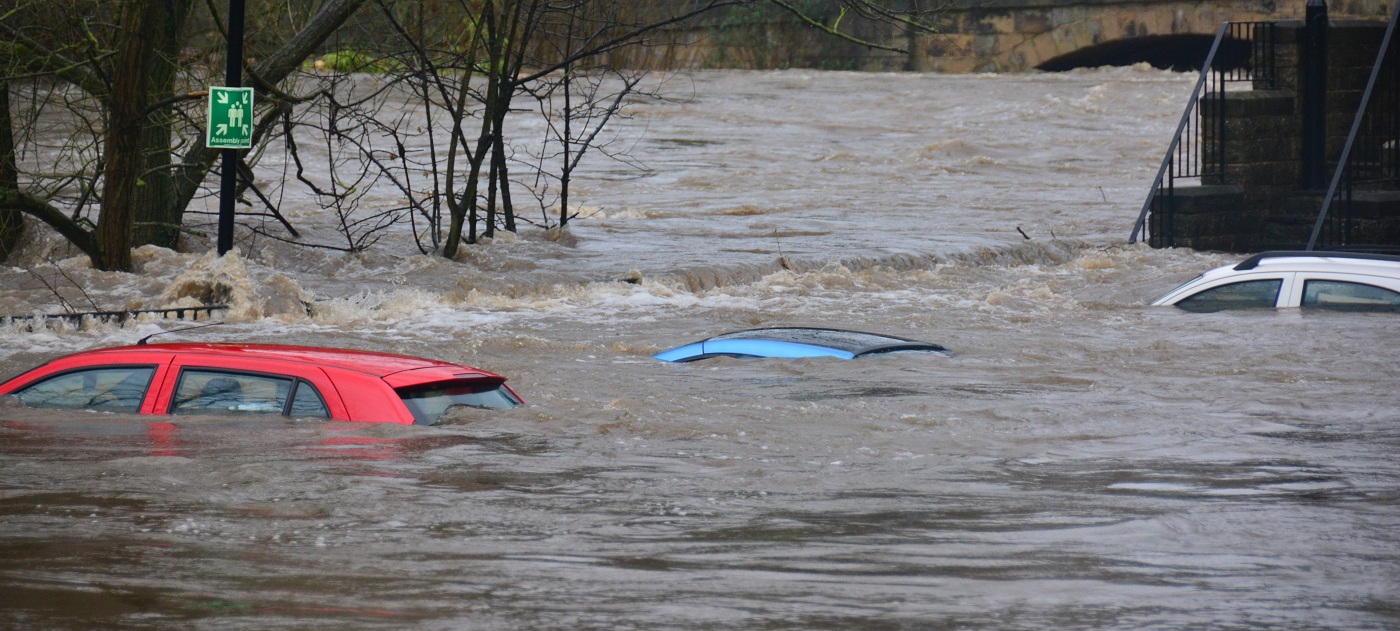
Indoor flooding can be one of the most stressful and damaging problems a homeowner faces. Whether caused by a burst pipe, malfunctioning appliance, or natural disaster, indoor flooding has the potential to cause severe damage to your home and belongings. In these situations, acting quickly and knowing what to do can minimize the damage and save you from expensive repairs. In this blog post, we’ll explore how to deal with indoor flooding, when to call a plumber Carlsbad, and how to prevent further damage while waiting for the best plumber near me.

Causes of Indoor Flooding
Before diving into how to manage indoor flooding, it’s essential to understand the common causes of this household disaster. Some of the most frequent reasons include:
Burst Pipes:
Freezing temperatures or worn-out pipes can cause a sudden rupture, leading to significant water flooding indoors.
Malfunctioning Appliances:
Dishwashers, washing machines, and water heaters can break down, causing leaks or overflowing water.
Roof Leaks:
Severe weather can damage your roof, leading to water seeping into your home.
Clogged Drains: Backed-up plumbing or sewage systems can lead to flooding in bathrooms, kitchens, or basements.
Natural Disasters:
Heavy rain or storms can overwhelm drainage systems, leading to floods.
Knowing the root cause of indoor flooding will help you understand the next steps and when it’s crucial to call a plumber Carlsbad or another professional.
Step-by-Step Guide to Managing Indoor Flooding
Once you notice flooding inside your home, time is of the essence. Here’s a step-by-step guide on how to deal with the issue:
1. Ensure Safety First
Your first priority in a flooding situation is safety. Water can cause electrical hazards, so if you see water pooling near any electrical outlets, lights, or appliances, immediately turn off the electricity to that area of the house. If you’re unsure how to do this, or if it’s too dangerous, evacuate the home and call for emergency services.
2. Shut Off the Water Source
If the flooding is caused by a plumbing issue like a burst pipe or malfunctioning appliance, locate your main water shutoff valve and turn it off. This will stop more water from entering your home. Every homeowner should know where their shutoff valve is located, as it’s crucial for stopping leaks quickly.
3. Call a Professional Plumber
Once you’ve stopped the flow of water, it’s essential to call a plumber Carlsbad to assess the damage and repair the underlying issue. While you can take immediate actions to reduce the damage, a professional best plumber near me can properly identify the cause of the flooding and recommend the best course of action. Depending on the severity of the damage, they may need to replace pipes, fix broken appliances, or clear clogged drains.
4. Remove Excess Water
With the water source stopped and a plumber on the way, the next step is to start removing as much standing water as possible. If it’s safe to do so, use mops, towels, or buckets to absorb and drain the water. A wet/dry vacuum can be a lifesaver in these situations, as it can quickly suck up large amounts of water.
For more severe flooding, you may need to rent industrial water removal equipment or hire a professional water restoration service. This can prevent long-term damage to flooring, walls, and other structures in your home.
5. Dry Out the Area
Water left to sit in your home can cause severe damage to walls, flooring, and furniture. After removing the standing water, begin the drying process as soon as possible. Open windows and doors to allow for airflow, and use fans or dehumidifiers to speed up the drying process.
Mold and mildew can develop in as little as 24-48 hours, so it’s crucial to ensure that everything is thoroughly dried. If the flooding is severe, consider hiring a professional to help with the drying and dehumidifying process to avoid long-term damage.
6. Document the Damage
For insurance purposes, it’s important to document the extent of the flooding damage. Take photos or videos of the affected areas and damaged belongings. Contact your insurance provider to report the incident and start the claims process. Having detailed documentation can expedite the process and increase the likelihood of getting proper compensation.
Preventing Future Flooding
While indoor flooding is sometimes unavoidable, especially in cases of natural disasters, there are steps you can take to reduce the risk:
Regular Plumbing Inspections: One of the best ways to prevent flooding is to have your plumbing system inspected regularly by a professional plumber Carlsbad. Routine maintenance can help identify potential problems like aging pipes or small leaks before they become more serious.
Install a Sump Pump: For homes that are prone to flooding, especially in basements, a sump pump is a valuable tool. It works to remove water that accumulates in the lowest part of your home, preventing flooding.
Check Appliances and Hoses: Regularly inspect your washing machine, dishwasher, and other water-using appliances for signs of wear and tear. Replacing hoses or tightening connections can prevent leaks from occurring.
Clear Drains and Gutters: Make sure your home’s drains, gutters, and downspouts are clear of debris. This ensures that rainwater is directed away from your home, reducing the risk of flooding during storms.
Conclusion
Dealing with indoor flooding is a stressful experience, but taking swift action can reduce the extent of the damage. By turning off the water source, calling a plumber Carlsbad, and removing excess water quickly, you can minimize the destruction caused by flooding. Once the immediate crisis has passed, make sure to dry out the area thoroughly to prevent mold growth and future issues.
If you ever find yourself dealing with indoor flooding, contact the best plumber near me for fast, reliable service. Whether it’s an emergency or a preventative measure, professional help is always worth the peace of mind when it comes to protecting your home from water damage.