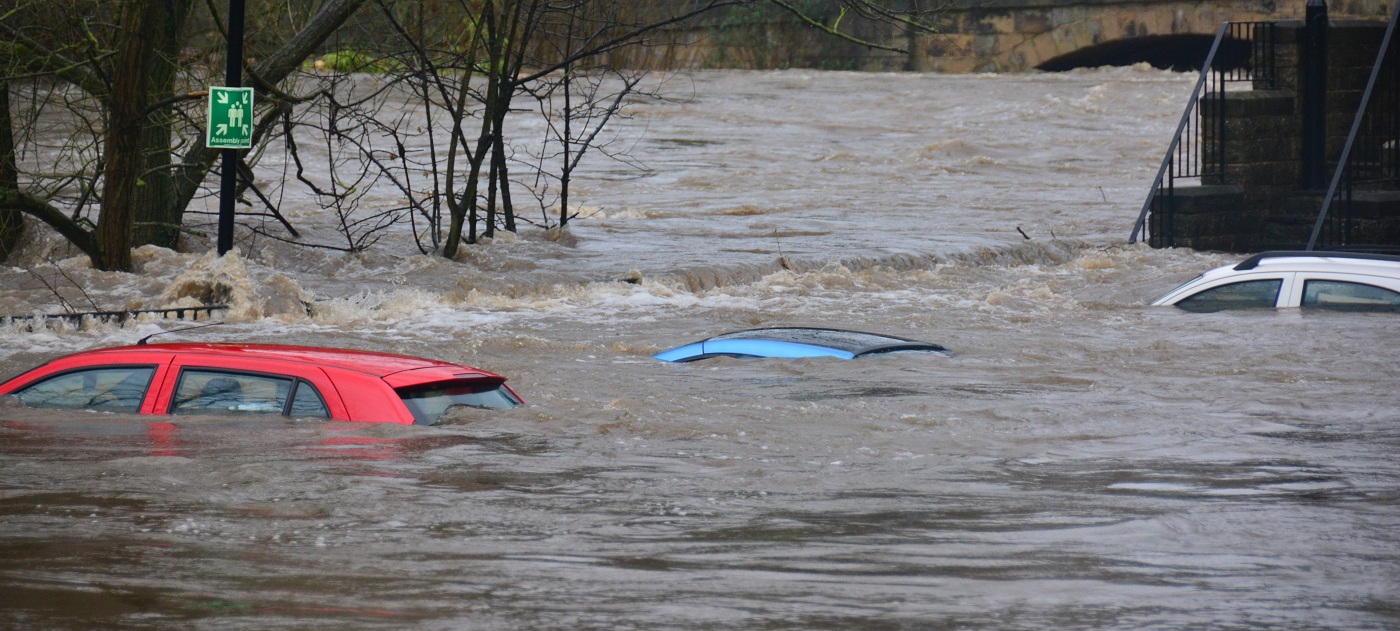
Heavy rain can be a welcome sight, replenishing water supplies and cooling temperatures. However, excessive rainfall can also wreak havoc on your home’s plumbing system. From clogged drains to sewer backups, water pressure changes and flooding can lead to serious plumbing problems. If you’re experiencing plumbing issues after a storm, contacting a plumber in Carlsbad or searching for the best plumber near me can help prevent further damage.
How Heavy Rain Affects Your Plumbing
1. Sewer Backups
One of the most common plumbing issues caused by heavy rain is sewer backup. When rainfall overwhelms sewer systems, excess water can flow back into your home through drains, sinks, or toilets. This can create unsanitary conditions and costly damage. Installing a backwater valve and regular maintenance can help prevent this problem.
2. Clogged and Overflowing Drains
Heavy rains often wash debris, dirt, and leaves into storm drains and household plumbing. Over time, this can lead to significant blockages that cause slow drainage or complete backups. If you notice water pooling around drains or slow drainage after a storm, it may be time to call a plumber in Carlsbad for professional drain cleaning.
3. Foundation Leaks and Pipe Shifting
Excessive rain can saturate the soil around your home, causing the ground to shift. This movement can put stress on underground pipes, leading to leaks, cracks, or even pipe bursts. If you detect damp walls, unexplained water pooling, or a sudden drop in water pressure, reach out to the best plumber near me to assess potential issues.
4. Water Heater Malfunctions
A hidden effect of heavy rain is the impact on your water heater. If flooding occurs in your basement or utility room, the heating system may sustain water damage. Moisture can also affect the pilot light in gas water heaters, causing it to extinguish or malfunction. Regular inspections and maintenance after heavy rainfall can ensure your water heater remains in good condition.
What You Can Do to Prevent and Fix Rain-Related Plumbing Issues
1. Regular Drain and Sewer Maintenance
To minimize the risk of sewer backups and clogged drains, schedule routine inspections and cleanings with a plumber in Carlsbad. Keeping gutters and storm drains free of debris also helps water flow efficiently during storms.
2. Install a Sump Pump
A sump pump can be a lifesaver during heavy rain, preventing basement flooding by diverting excess water away from your home. If you already have a sump pump, ensure it is in working order before storm season.
3. Check for Leaks and Inspect Pipes
After heavy rain, inspect your home for signs of leaks, such as damp spots, musty odors, or reduced water pressure. If you notice any issues, calling the best plumber near me for an inspection can help detect hidden damage before it worsens.
4. Seal Cracks and Waterproof Your Home
To protect your foundation and plumbing system, seal any visible cracks in your home’s exterior. Waterproofing your basement and ensuring proper yard drainage can also help prevent excessive water accumulation around your home.
Conclusion
Heavy rain can put significant strain on your home’s plumbing system, leading to issues such as sewer backups, clogged drains, pipe shifts, and water heater malfunctions. Proactive maintenance and timely repairs can prevent costly damage and keep your plumbing in top shape. If you suspect a problem, don’t wait—contact a plumber in Carlsbad or search for the best plumber near me to get professional assistance and protect your home from further complications.